RETURN OF THE ZOOT
RETURN OF THE ZOOT
From Harlem to Los Angeles. Style, defiance, and the desire to be seen.
What does it mean to make yourself visible in a world that would rather you disappear?
With its broad shoulders, elongated jacket, and billowing trousers, the zoot suit gave that question a silhouette. Emerging from Black urban culture and the jazz scene of the 1930s, it carried the energy of a generation finding freedom in how it moved, gathered, and dressed. Entertainers such as Cab Calloway helped bring the look to wider audiences, but its vitality belonged just as much to the young people wearing it into dance halls and onto the street. There was pleasure in that presence. Getting dressed offered an opportunity to imagine who you could be and give that possibility form. For young Black wearers, the suit’s exuberance opened space for self-expression within a society intent on limiting it.
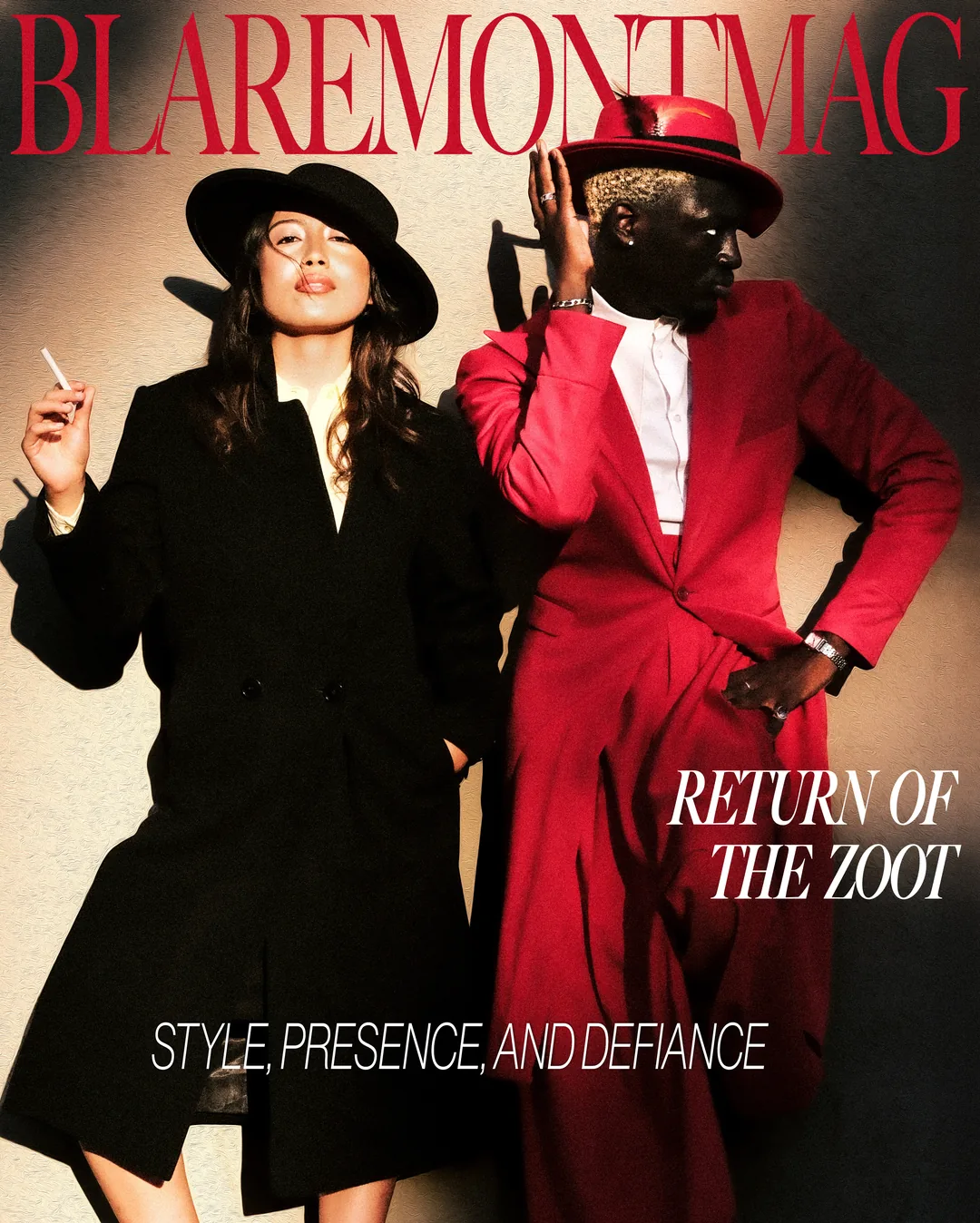
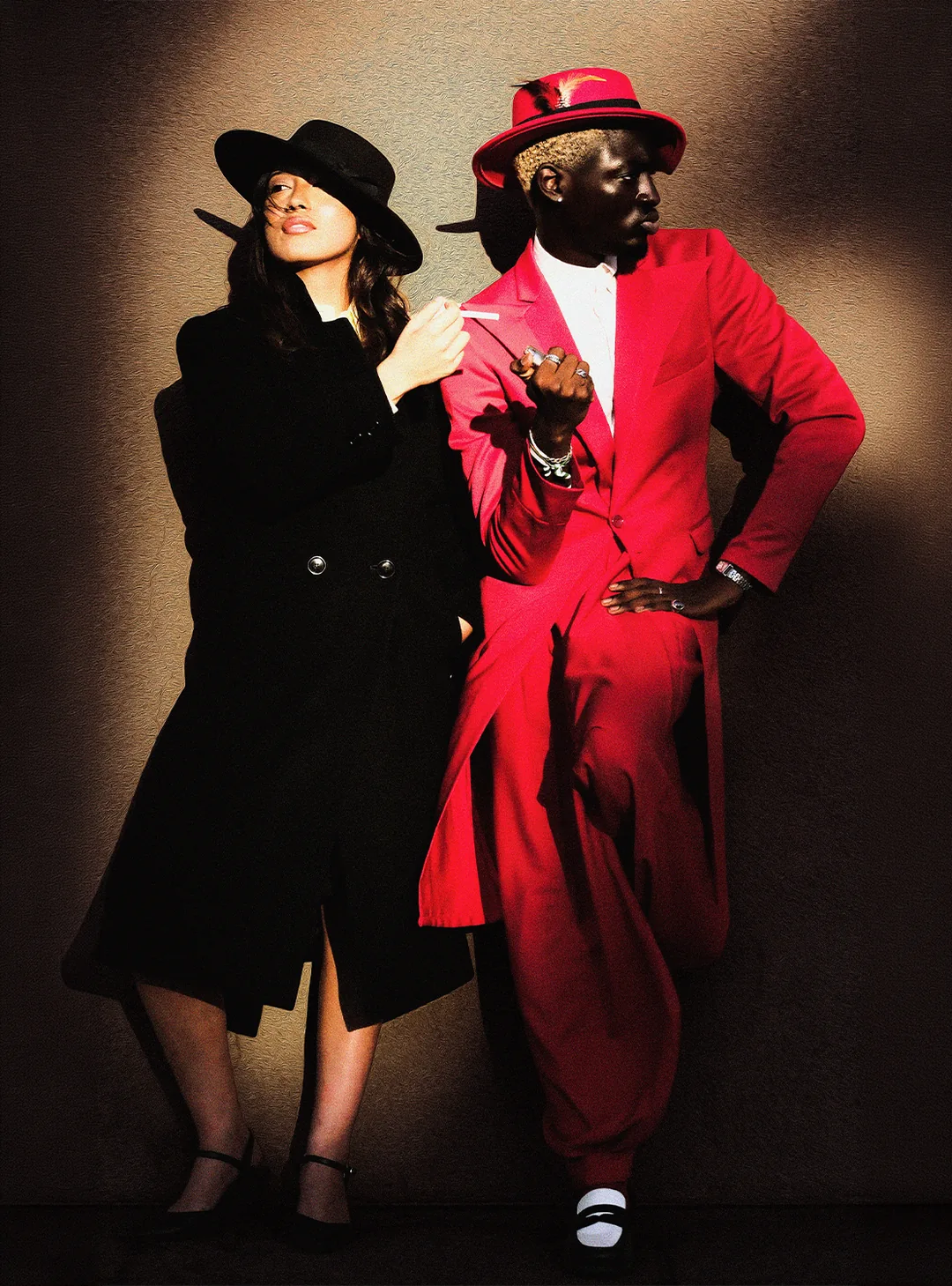
As the style travelled from Harlem to Los Angeles, Mexican American youth made it their own. Within pachuco culture, the zoot suit became an expression of pride, independence, and belonging. Its wearers fashioned an identity through the pressures of assimilation and the expectations of older generations, creating a cultural language that reflected their own experience.
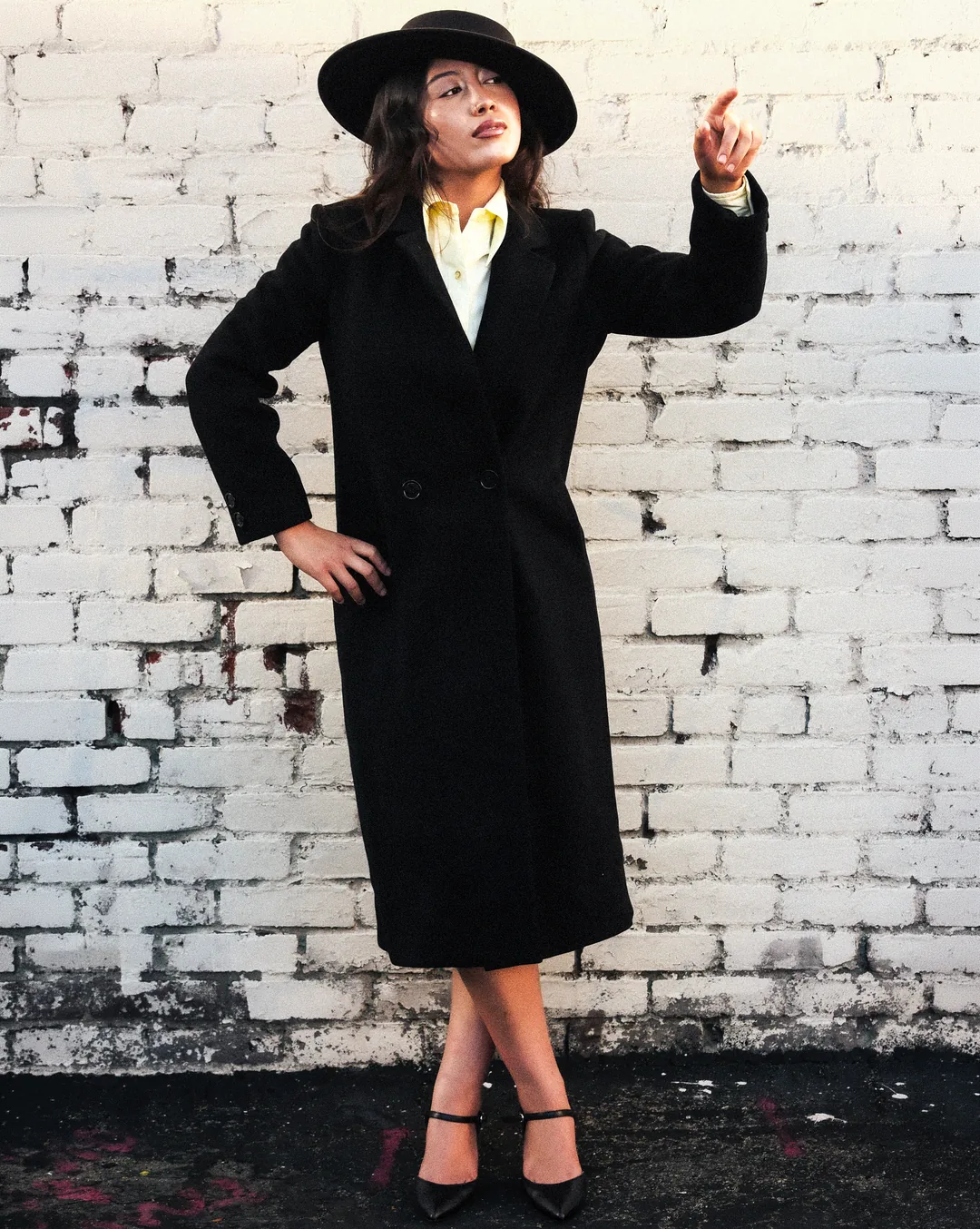
This shared connection is at the heart of RETURN OF THE ZOOT. Across Black and Mexican American communities, the suit holds histories of exchange and invention. We return to it to explore how a look can bring people into conversation, carrying distinct experiences within a recognisable form.
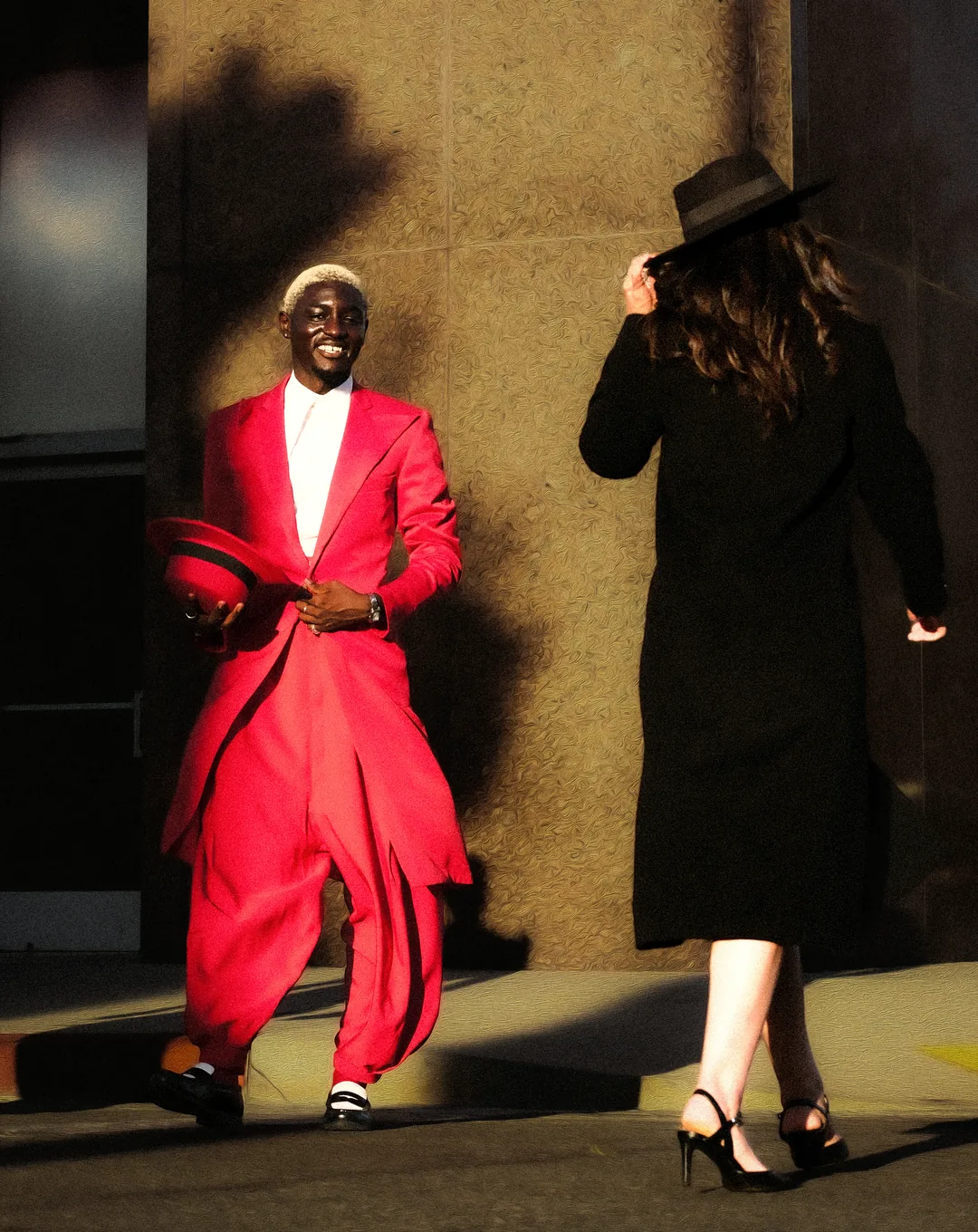
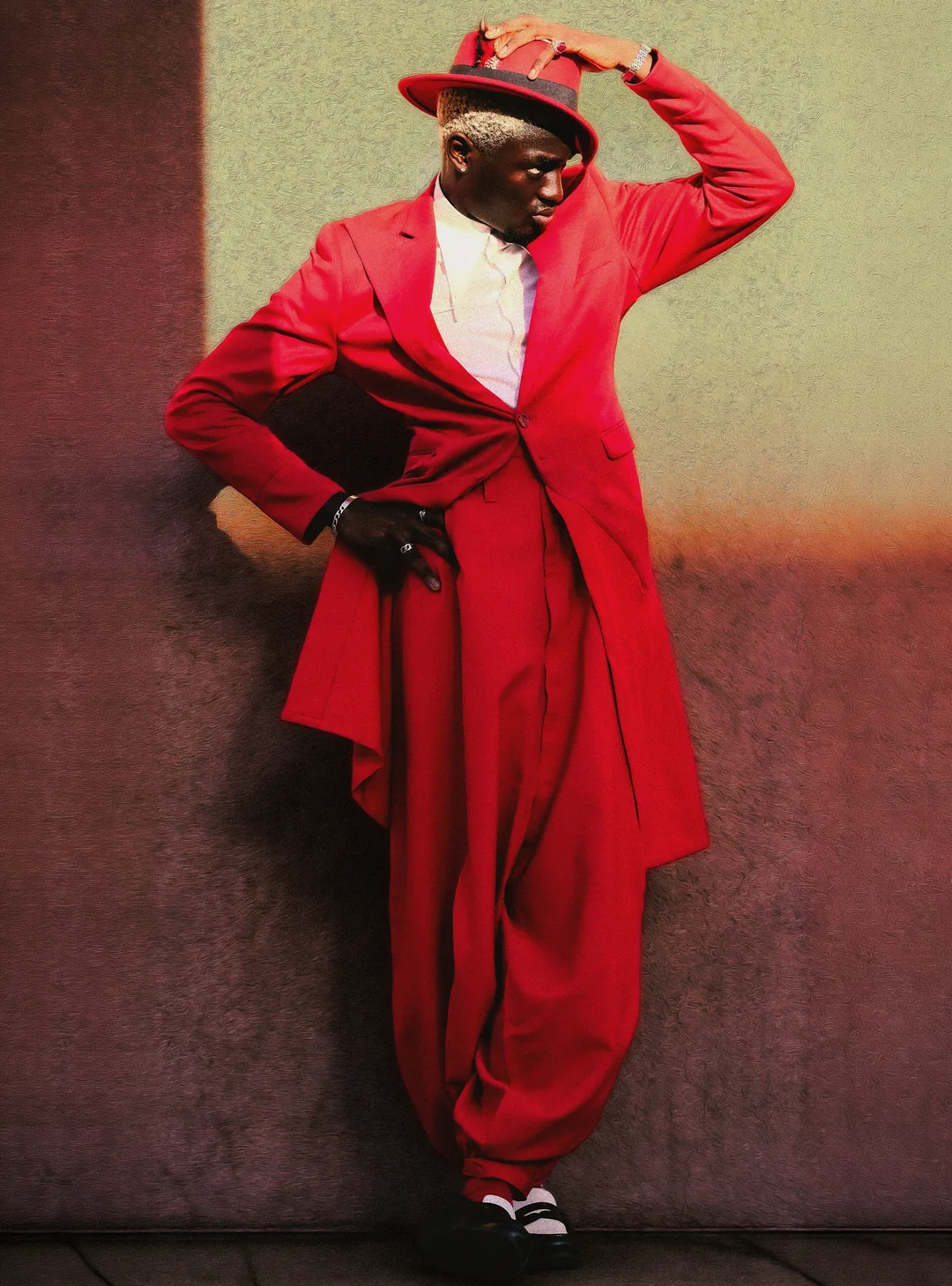
That visibility also came at a cost. During the Second World War, the suit’s generous use of fabric became grounds for accusations of wastefulness and disloyalty. Racial prejudice found an excuse in the clothing. In Los Angeles in June 1943, white servicemen and civilians attacked predominantly Mexican American youth, as well as Black and Filipino people, in the violence remembered as the Zoot Suit Riots.
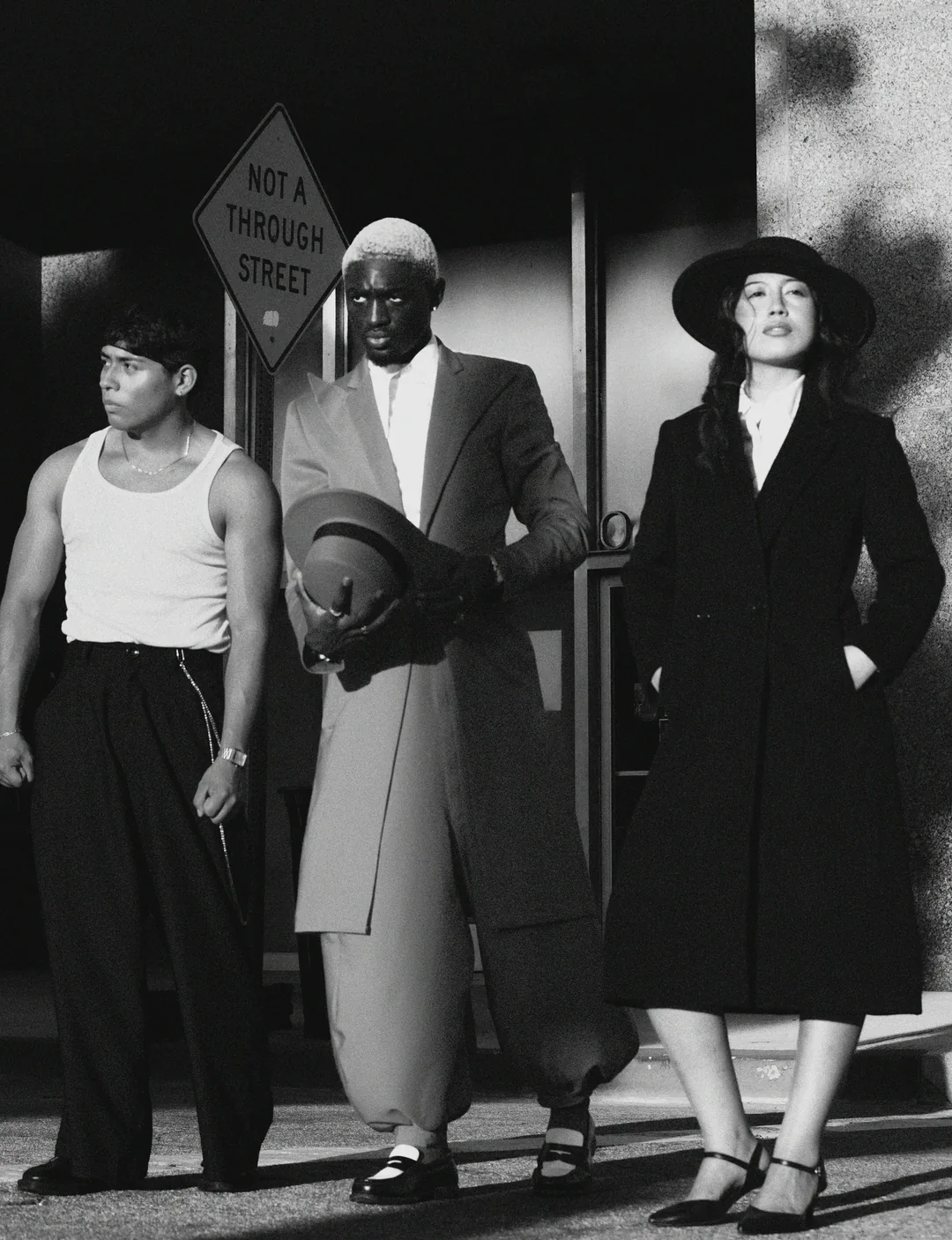

A garment chosen for pleasure and self-expression had become a target. Yet its meaning could never belong entirely to those who sought to condemn it. The zoot suit’s enduring resonance lies partly in the ability of its communities to reclaim it, to insist that pride, creativity, and dignity remain visible within its folds.
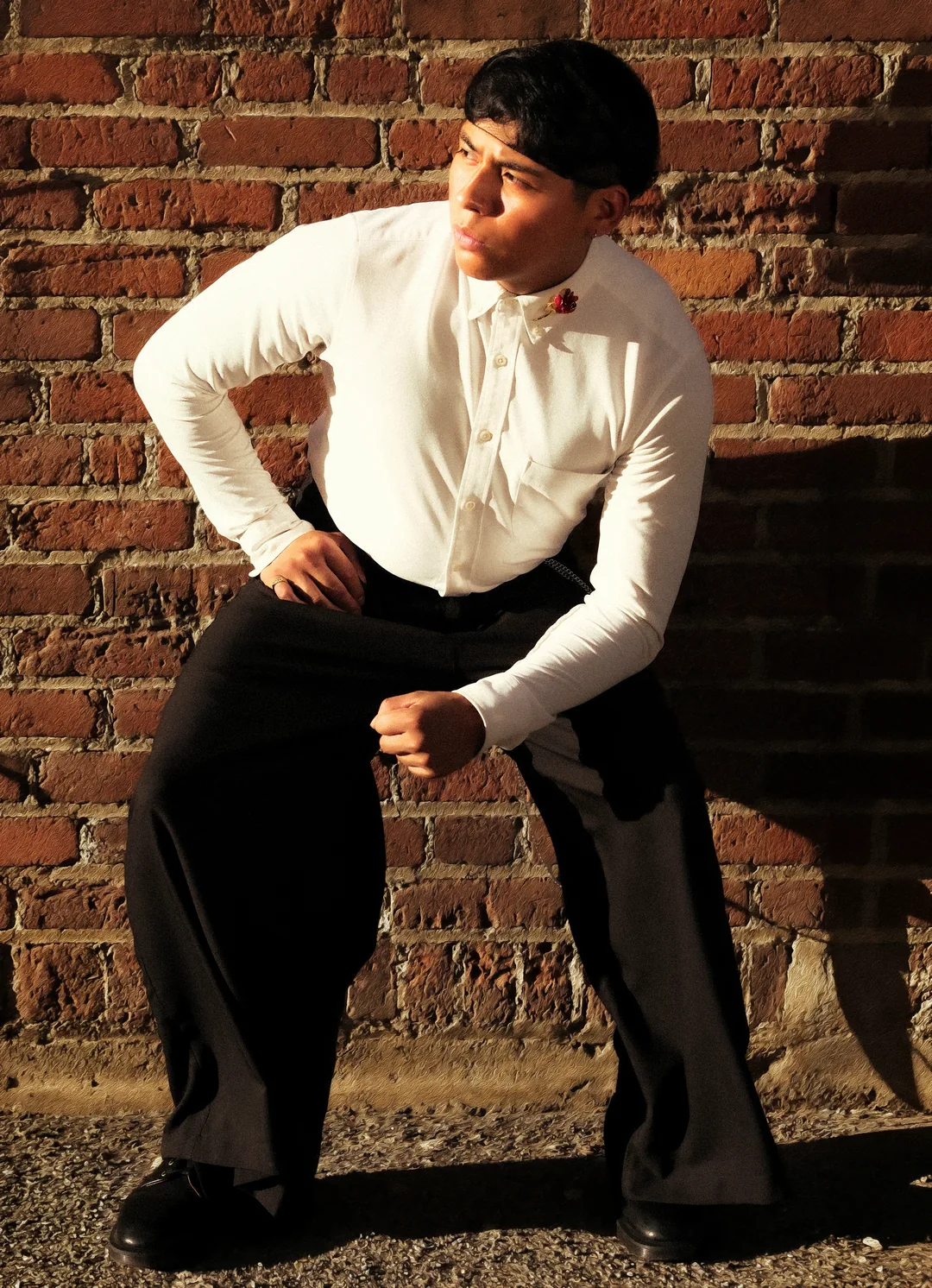
For BLAREMONT MAG, this history raises a question that reaches into the present: when a community is targeted and its identity distorted, how can a look become a site of reclamation?
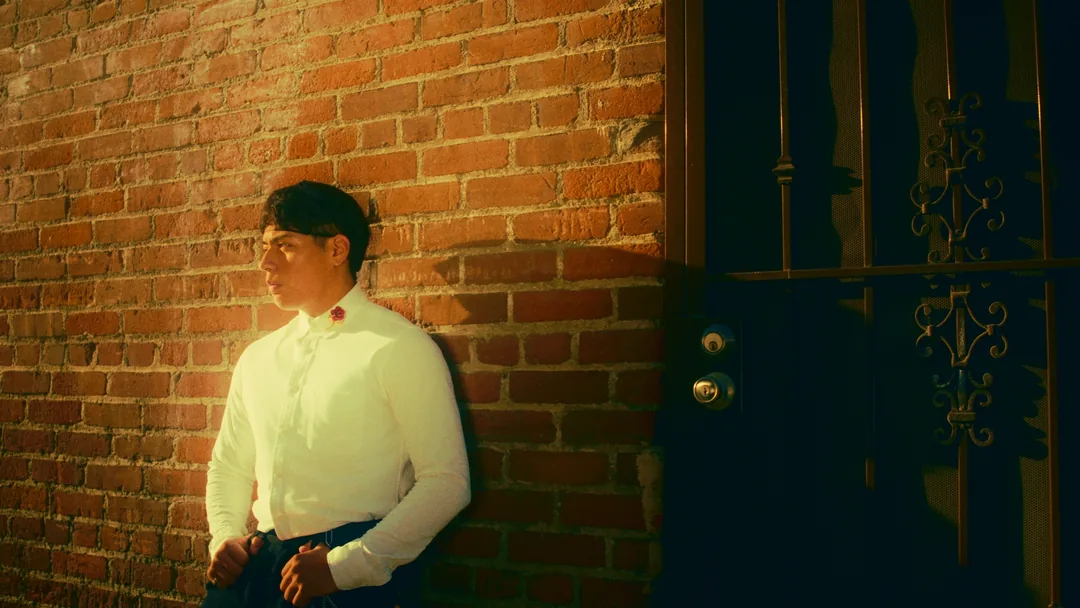
Our interpretation answers through colour and scale. The silhouette expands the wearer’s presence; red makes that presence undeniable. Together, they express the conviction behind this editorial: stories subjected to erasure deserve to be told with force, care, and confidence. We wanted the suit to hold the eye long enough for the person, and the histories they carry, to be considered.
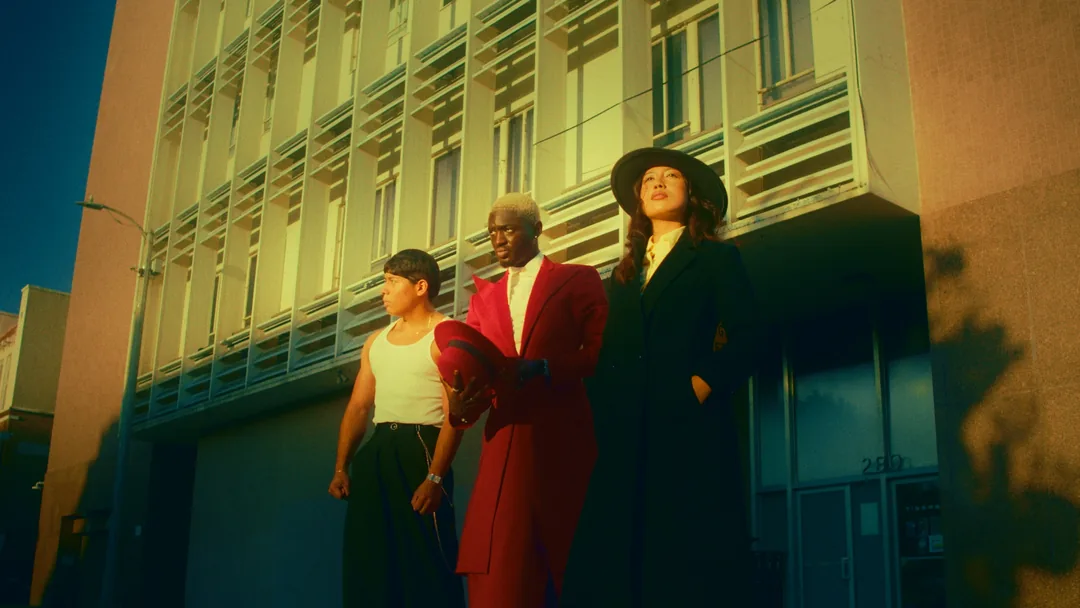
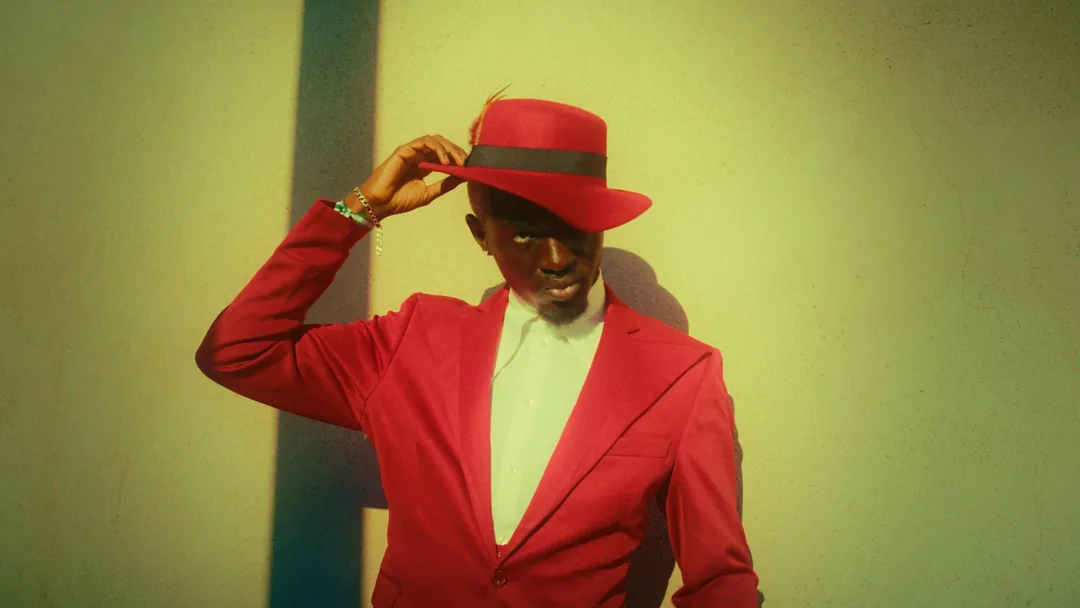
Within the wider world of BLAREMONT MAG, red connects stories through that same insistence on presence. Here, it responds to a history in which Black and Mexican American expression was distorted, diminished, and treated as a threat. We wanted to create an image with enough conviction to hold the viewer’s attention, then ask them to consider the history within it.
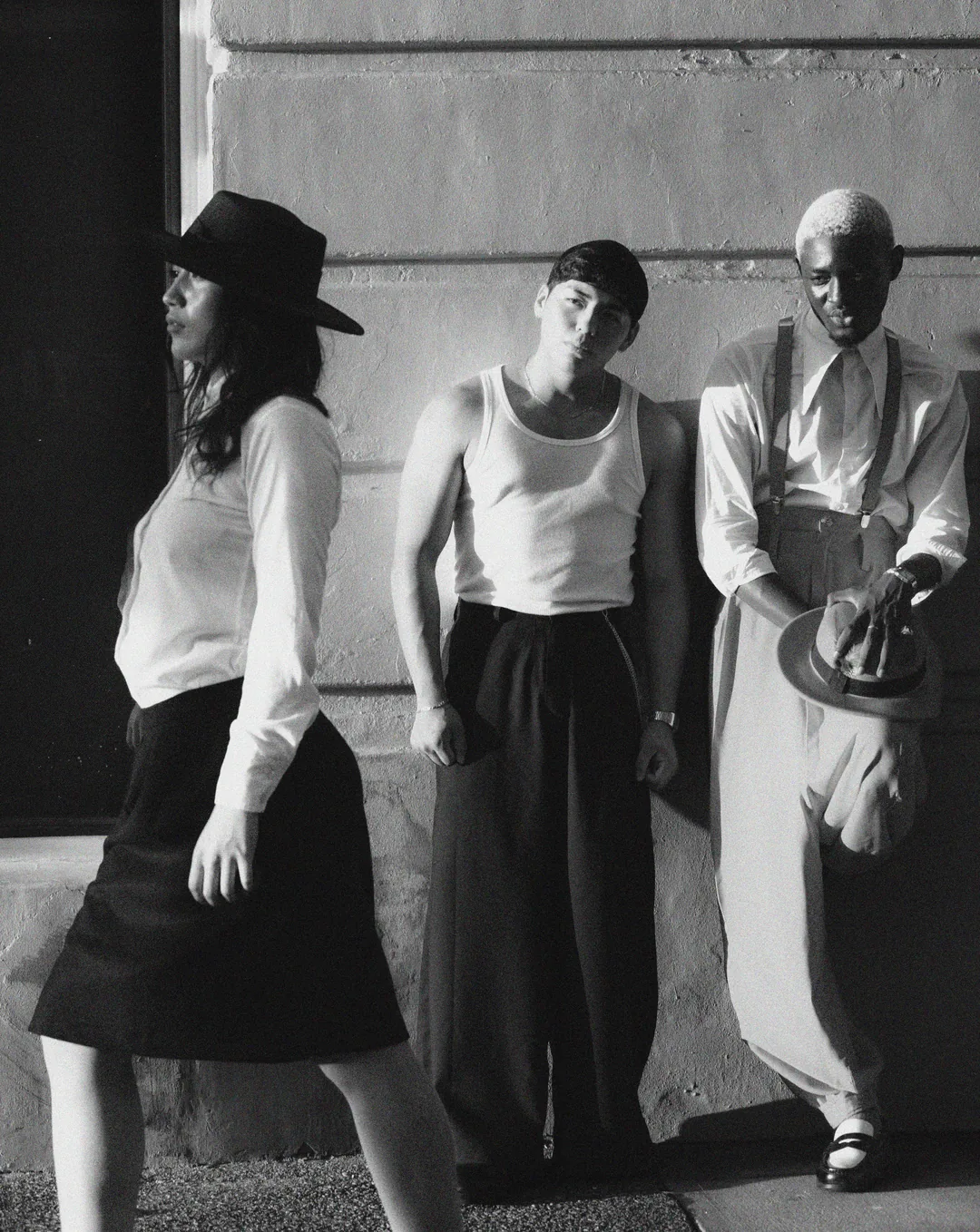
There is a responsibility in making something beautiful from a story that contains violence. Beauty should invite us further into that history. The pleasure of the silhouette, the intensity of the colour, and the confidence of its wearer can lead us toward the people whose creativity gave the garment meaning in the first place.
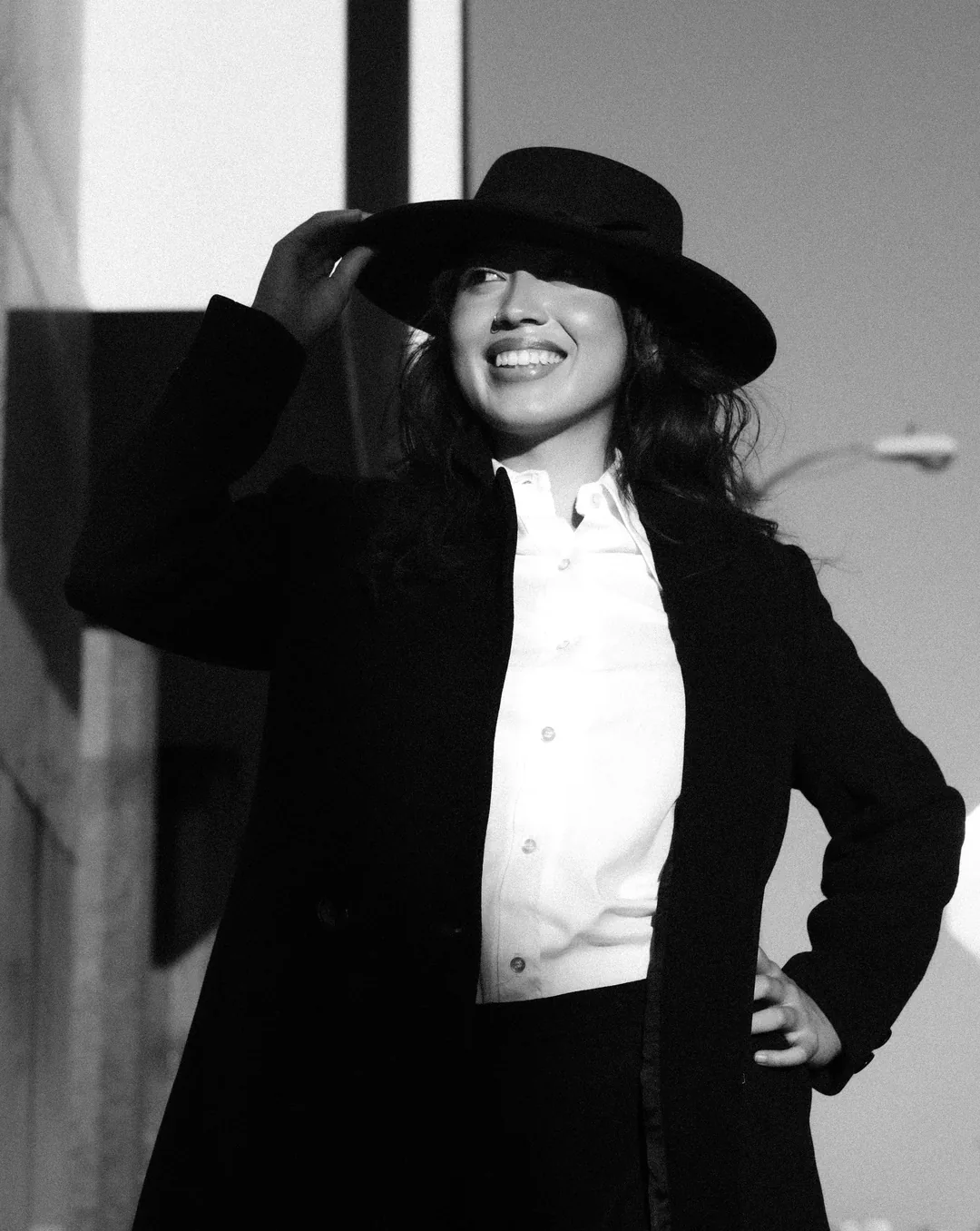
RETURN OF THE ZOOT is our contribution to that continuing conversation. It considers style as a place where memory, self-definition, and solidarity can meet. It asks what we inherit when we wear a look, and what becomes possible when we understand the lives behind it.
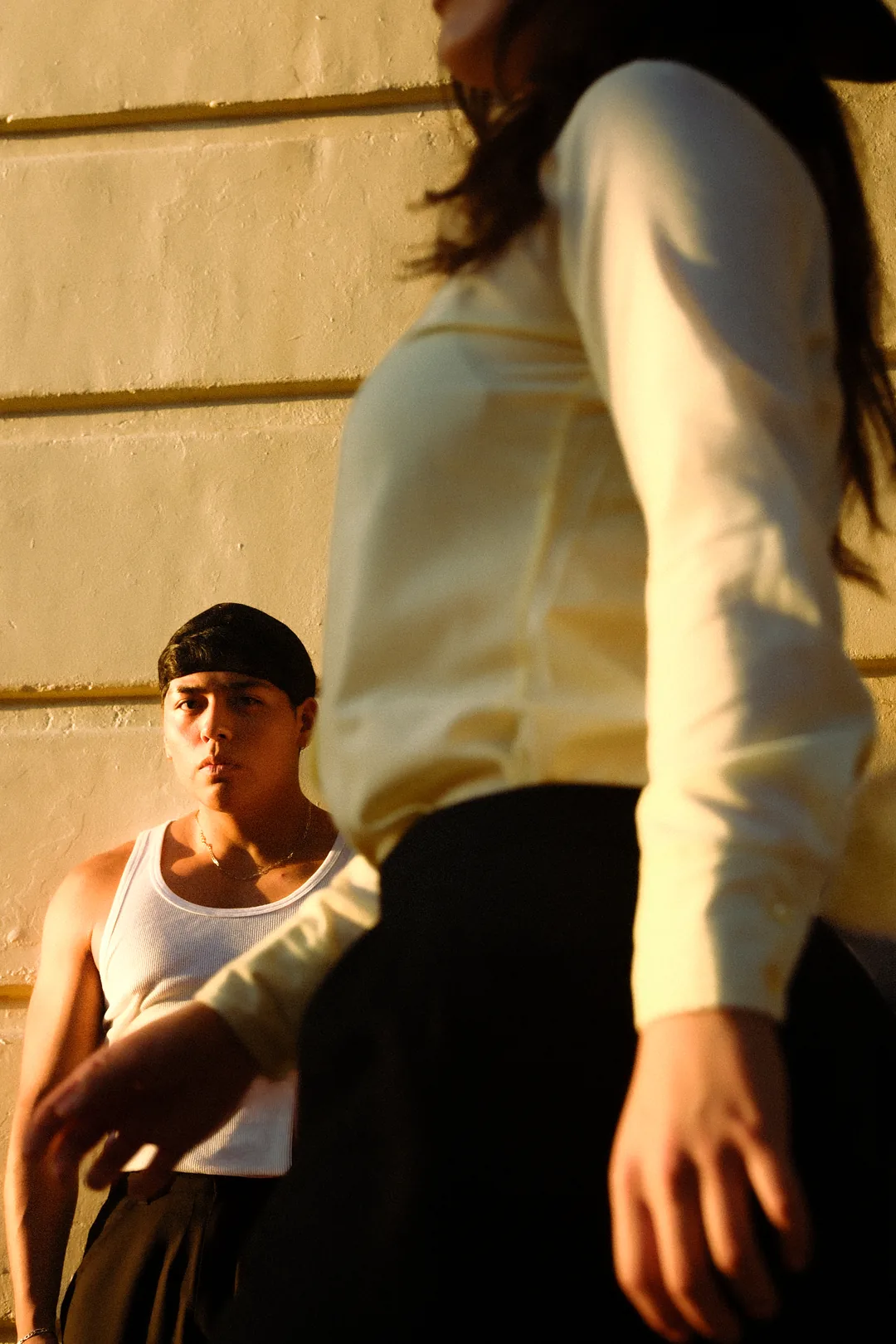
As we consider the world our generation is inheriting, the question turns toward us: what look do we want to define a generation, and what will it say about the world we are trying to make?